

There has been a paradigm shift in European migration policy in recent years. The right to asylum is under threat in several countries and human rights are being eroded. In Sweden, citizenship has been linked to good conduct and defined in terms of ‘Swedish values’. Racism is being normalised, and crime is increasingly explained in terms of vague concepts such as ‘origin’ and ‘culture’ rather than poverty, social exclusion or failing schools. Legal experts warn that two parallel legal systems are emerging: one for citizens and one for everyone else. A so-called ‘dual state’ that also risks making citizens’ rights conditional.
The changes to the legal texts also reflect a new view of human beings and their worth. Genetics is used to explain talent and success, and concepts such as merit and achievement are linked to cultural and national values.
Welcome to an evening exploring the paradigm shift that has taken place in areas such as migration policy, and how this reflects a deeper philosophical and anthropological question concerning human beings and their value.
Roland Paulsen, sociologist, draws on his latest book, Avbegåvad (Detalented), to describe how genetics has become a kind of all-encompassing framework for understanding human beings and their place in the world. How is this development linked to the political trend towards closed borders and conditional citizenship?
Maja Sager, researcher in gender studies and an active member of the Malmö Network for a Humane Migration Policy and the Malmö Asylum Group, discusses the changes brought about by the Tidö Agreement and speaks out against the racist differentiation of human dignity, welfare and reproductive justice.
Mårten Björk, researcher in systematic theology, discusses legal developments on the basis of his book The End of Law, co-authored with lawyer Tormod Johansen. He explains why concepts such as merit and achievement can transform the rule of law into a ‘rule of injustice’ or a ‘dual state’.
The evening will be held in Swedish and is organised in collaboration with the book series Subaltern.
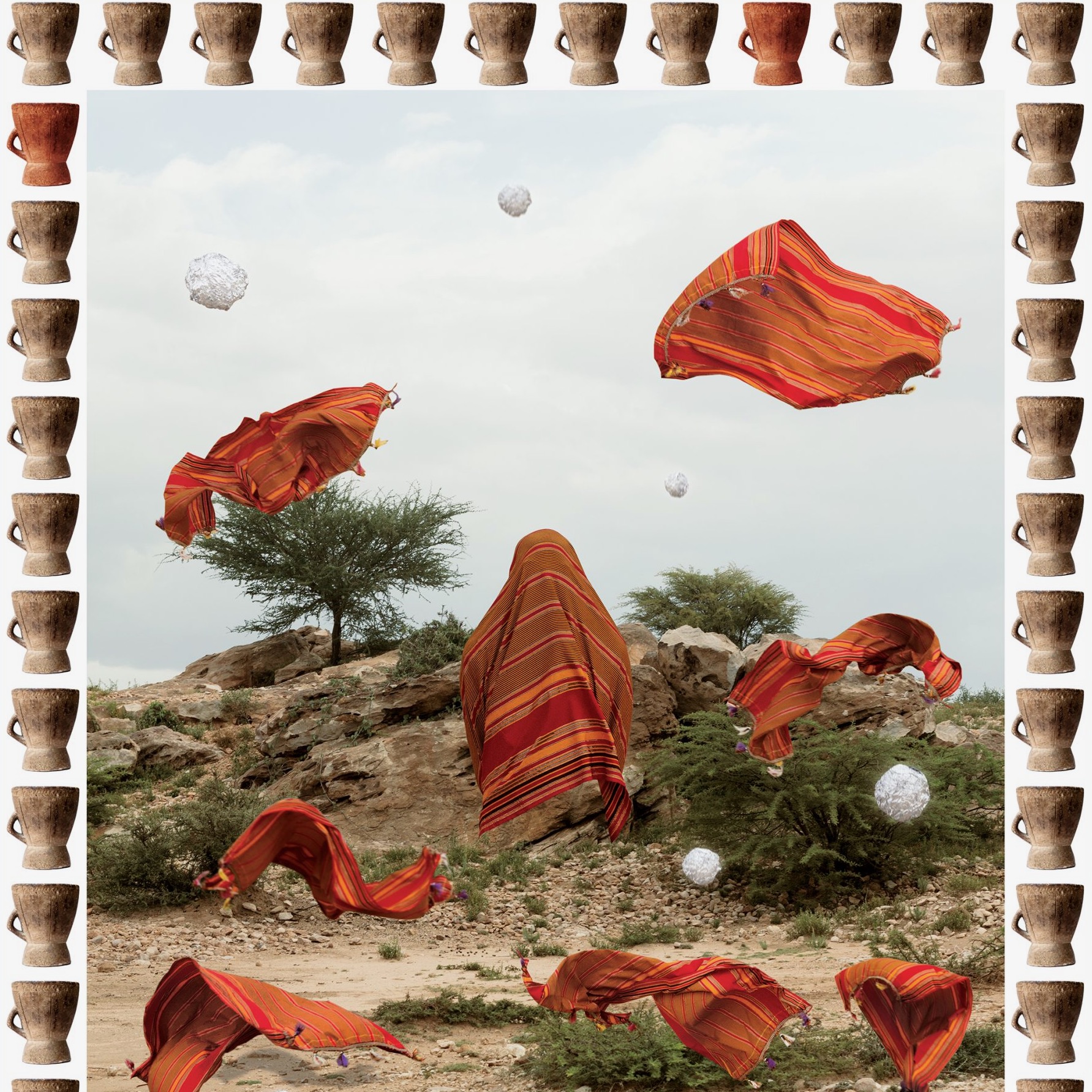
Image: Mustafa Saeed, Monument, 2014.